Tech Talent Spotlight: Jennifer Yancie
28 Oct, 2025



Lori Rodríguez served as the Chief Digital Advisor for Women in Tech and formerly held the p...

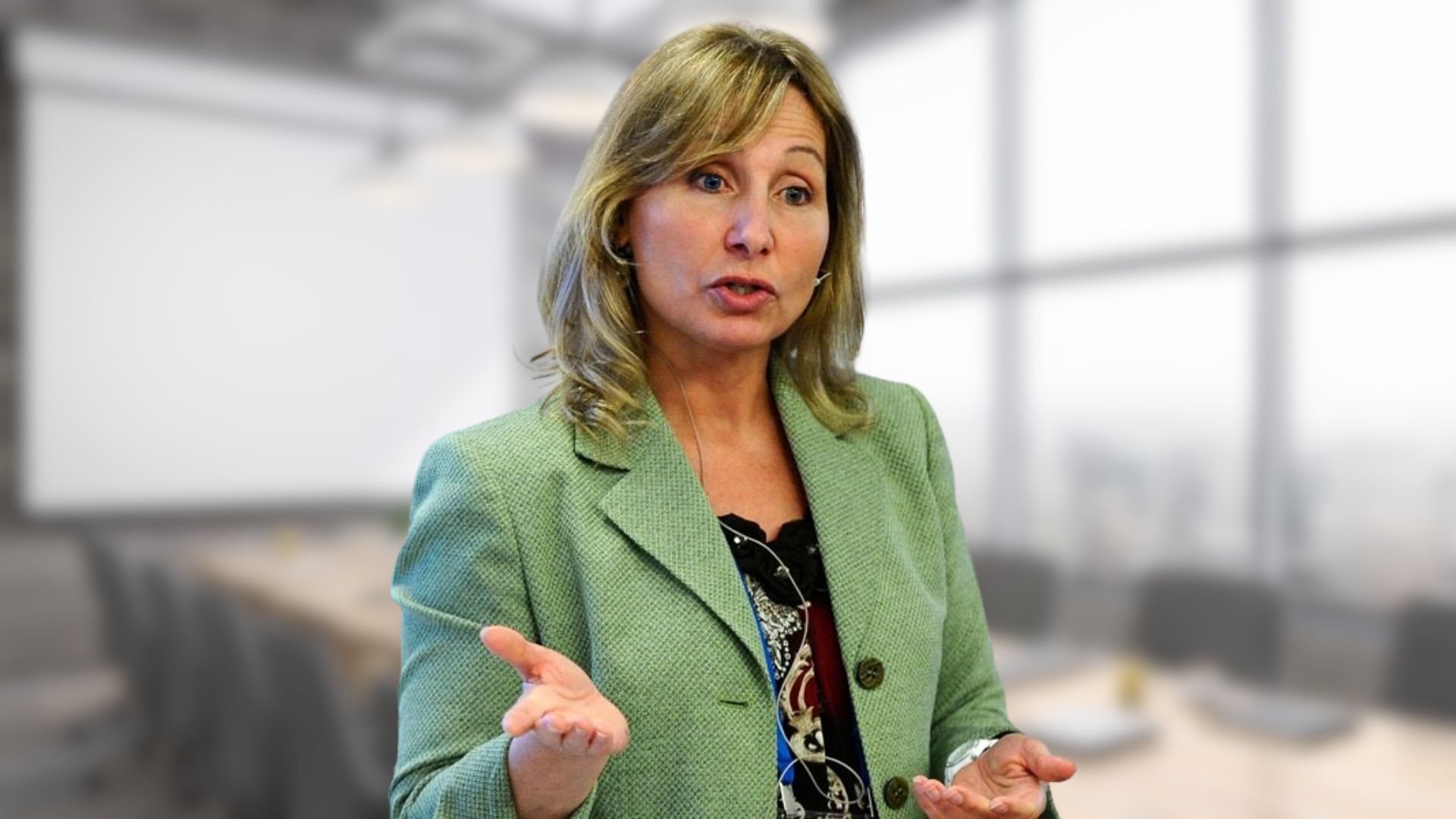
Lori Rodriguez is a multifaceted professional, known for her roles as a writer, speaker, and advocate. Her areas of expertise encompass digital transformation, customer experience, resilience, the future of work, and the intersection of women in technology, STEM, and leadership.
As the author of "The Hidden Lives of Twenty Women in STEM," Lori delves into narratives aimed at inspiring and empowering women in science, technology, engineering, and mathematics. Her writing endeavors focus on sharing impactful stories, offering valuable advice, and equipping individuals with tools to excel in these fields.
Previously, Lori held the position of VP, of Strategy, Innovation, and Operations at Gartner Inc. In this capacity, she played a pivotal role in developing products and services tailored to support C-Suite Technology Leaders in their professional development journey. Her primary objective was to facilitate breakthrough achievements for their organizations while leveraging technology to propel societal advancement.
Sure, my name is Lori Rodriguez, and I've transitioned into what some refer to as a portfolio career or a jungle gym career, where I'm involved in various endeavors simultaneously. Until recently, I served as the president of Women in Tech in the U.S., an organization headquartered in Paris but with a significant presence in the States. While it was an exciting role, I recently stepped down to focus on several areas.
One is managing my investments, and the other is upskilling in artificial intelligence. I've been working with AI and algorithms for decades, but with the rapid advancements in the field, I'm particularly keen on ensuring that women and other underrepresented groups have a seat at the table where crucial decisions about technology are made, from market strategies to product development and coding. I need to focus on getting myself in a position to influence this area.
Oh, there have been several milestones throughout my career that I'm particularly proud of. My journey began in the marketing agency space as a graphic designer, just before the desktop publishing revolution. Witnessing the transformative power of technology during that time was truly awe-inspiring. Suddenly, we could do things we could only dream of before–and do it faster, better cheaper. I also saw that within 18 months during the desktop publishing revolution; 100-year-old companies in the industry were gone. It fuelled my passion for envisioning similar transformations across various industries beyond marketing and publishing. I could see the potential for technology in healthcare, education, and government services. This led me to pivot my career trajectory, eventually landing me in a role equivalent to a CIO at one of the world's leading marketing promotions agencies.
After discovering that Gartner, the world's largest technology research and advisory organization, was headquartered in my home state of Connecticut, I was eager to join their team. Through networking efforts, I secured a role as a consultant, assisting with marketing sites in 2001. Over the next few years, I transitioned into a permanent position and shifted my focus to strategy, innovation, and product development, where I remained dedicated for nearly 19 years.
Over nearly two decades at Gartner, I dedicated myself to realizing my mission of facilitating digital transformations across industries. One of the most fulfilling moments was seeing my elderly father's dental practice fully embrace digital technology, underscoring the realization of my ambitious goals. Additionally, during my tenure at Gartner, I had the opportunity to interview over a thousand C-suite executives, gaining unique insights into the forefront of technological innovation and the mindset and needs of IT and Business Leaders.
The experience also shed light on the stark lack of diversity, particularly in tech leadership roles. This catalyzed my determination to increase the representation of women and people of color in STEM-related fields, ensuring that diverse perspectives shape decision-making processes.
I distinctly recall attending a Gartner conference, surrounded by thousands of attendees, predominantly CIOs and their direct reports from global organizations—the most influential technologists gathered in one room.
I couldn't help but note the glaring absence of women and people of color despite the large audience. I was shocked when I kept seeing the same few women in the bathroom during the busy conference sessions. How could it be that I kept running into the same people in such a big group?
This realization troubled me deeply. These were the people making decisions that shaped the very society we live in, but there was an alarming lack of diversity in these rooms. It made me consider how lack of representation and a singular perspective of those who have enormous influence over steering our future impacted all of our lives.
This issue is evident in product design, where many fail to accommodate diverse users. A simple analogy, like using right-handed scissors for left-handed individuals, illustrates the feeling of exclusion when navigating a world not designed with your needs in mind. This lack of representation spans from top-level decision-making about markets and products down to the specifics, like the code that controls sensors in washroom soap dispensers.
For instance, these dispensers may not function properly for individuals with darker skin, as their light-absorbing properties prevent the sensors from detecting their presence. If those who are affected were involved in the development process, such issues would be recognized and addressed before products hit the market. However, without representation, these problems often go unnoticed across various industries, with healthcare being a particularly egregious example where data on marginalized groups is lacking.
Therefore, one of my main goals is to increase the representation of women and people of color, especially women who make up 51 percent of the population, in technology and product roles. By doing so, we can ensure that those impacted by these products have a voice in their development, ultimately shaping a world that better serves all of us. This endeavor represents a significant challenge, but one I am committed to achieving in my lifetime.
What drew me to Women in Tech the organization was its emphasis on local individuals understanding and addressing local needs, supported by a global network and vision geared towards broader global objectives. The organization recognized the diverse challenges encountered by women in technology across various countries, regions, and even specific cities. For me, it was crucial to be part of a movement that embraced tailored solutions rather than imposing a one-size-fits-all approach from the outside.
In the US, we have so many wonderful women’s organizations, that questioned whether another women's organization in the tech sector was necessary. However, upon examining the data, it became evident that there was still a significant need and gap to fill. True sufficiency will only be achieved when there is parity and the struggles faced by women in these organizations are no longer commonplace.
The idea that organizations operate on a meritocracy is often contradicted by real-world evidence. Women consistently outperform men in various academic metrics from K-12 education onwards. Study after study finds that when you hire and promote women, you raise the performance of the organization, not lower it. McKinsey found companies will have 50% higher profits, 19% higher revenue growth and 10x higher profit margins if you have women in leadership positions, and in turn, these companies were more likely to outperform those with even fewer women executives, or none at all.
Yet women are frequently overlooked for promotions and opportunities, particularly in subjective areas such as perceived potential. This bias continues to uphold a misleading notion of meritocracy, wherein individuals are promoted based on familiarity, comfort, and convenience rather than performance.
Promoting gender diversity in business leads to substantial improvements in organizational performance across various metrics, from financial indicators like EBITDA to innovation and risk management. Women offer unique perspectives that contribute to more robust decision-making processes and fewer critical failures. The data supports this statement. According to BCG's study, women typically receive over $1 million less in investment capital compared to men, on average. However, female-run startups generated 78 cents for every dollar of funding, which is more than double what male-run startups generated.
The persistent underrepresentation of women in leadership positions despite their demonstrated performance exposes the fallacy of believing our current promotion process is merit-based. Tackling these systemic biases means actively challenging current norms and fostering inclusivity in workplaces. Realizing impactful change, similar to the benefits of digital transformation demands collective effort and a dedication to cultivating an equitable and inclusive environment for everyone. This isn’t just the nice thing to do, it’s the profitable thing to do. arrowing the gender gap has the potential to add an astounding $12 trillion to the global GDP. If women's labor participation were to match that of men, this figure could skyrocket to an impressive $28 trillion. These staggering economic gains underscore the importance of fostering gender equality and inclusivity across all sectors of society.
Absolutely. Looking back, the disparities were evident. In the early days, attending conferences and immersing myself in technology, I didn't initially see the problem. Perhaps it was due to my location, away from Silicon Valley's bro culture. I worked in companies where professionalism was key and maybe I was just oblivious, but even though I was the only woman in the room, I just accepted the status quo Over time, though, I began to see that the problems I was facing, wasn’t a “me” thing, it was a “we” thing, for example lack of sponsorship and career fast-tracking that my male counterparts received, backlash if I my style didn’t conform to female norms, having to state my expert opinion in the form of a question, expected to do more non-promotable work, excluded from male-centered networking, etc.
The cumulative effect is that over time, I started missing out on the high-profile projects that led to exposure and promotion. Even though I was considered a top performer, once open doors started closing. I wasn't getting the same opportunities anymore. It was frustrating, and I kept wondering what was wrong with me. My performance was exceptional, I had a reputation as the go-to person for brainstorming strategy, problem-solving, and getting the impossible done, but I was dinged in reviews as “too passionate,” “too nice,” and “too direct” – mushy contradictory subjective statements. I’d ask colleagues for help to improve my “executive presence.” but it felt like the goalposts kept moving. I wasn't seeing any progress in terms of promotions. It felt like my world was getting smaller. At the same time, people kept coming to me for advice and ideas.
It became a cycle—I'd spend meeting after meeting expected to give my input, but I wasn’t getting recognition or opportunities in return. Through my research, I learned this is a pattern women often experience. Because we are recognized as “high performers” but not considered “high potential,” we are often put in positions to provide support to help fast-track our male colleagues. To put it simply and bluntly, our role is to make others look good.
Studies show that women have to prove they can perform in the role they aspire to, whereas men can be subjectively considered “high potential,” under the assumption they will be able to learn in the role. This unconscious bias is systematically reinforced by most of the commonly used succession planning methods, the 9-box, which rates candidates on two axis “high performer” and “high potential.”
Because endorsing a high-potential individual carries personal risk (staking one's reputation on someone unproven),high-performing women, are often placed beneath these high-potential men. This results in the women essentially propping up a man's success, for the very roles they were overlooked for. Lack of Is it any wonder, lack of respect for their managers is a significant reason women leave their jobs.
This phenomenon is well-documented in numerous studies, reflecting a common experience among women in the workforce. In an MIT Sloan study, it was found that women are 14% less likely to be promoted than their male counterparts, and are consistently passed over for promotions despite outperforming them, often due to subjective biases such as being deemed "too aggressive" compared to their male counterparts.
One approach that stands out is what AWS did with its promotion process. By conducting audits and identifying high-performing women who were overlooked for promotions, they were able to rectify past biases and fast-track these individuals. It's a data-driven solution that acknowledges the problem and takes tangible steps toward rectifying it.
Implementing similar audits and ensuring gender-neutral evaluation criteria can help level the playing field. Firstly, there needs to be a fundamental shift in how women are perceived and evaluated in the workplace. Subjective biases, such as labelling women as "too aggressive," need to be addressed. Organizations should actively promote qualified women and recruit new talent based on merit rather than subjective biases. Additionally, it's crucial to reframe the narrative surrounding women in technology and other fields. Instead of simply encouraging girls to code, it's essential to understand their individual aspirations and integrate technology into solutions that align with their interests and goals.
Despite the challenges, the tech industry offers unparalleled opportunities for impact and innovation. It's about finding your passion and leveraging technology to make a difference, whether it's in fashion, healthcare, or any other field. While the road may be challenging, know that you're not alone, and your contributions are invaluable. Together, we can break down barriers and create a more inclusive and diverse tech landscape.
Absolutely. The inspiration for this book stemmed from my own observations of the of the lack of women in tech and leadership roles and a desire to uncover the secrets of successful women in these fields. What were the successful women doing differently to break through? Could their secrets be something we could learn and apply?
So, I decided to dive into it, kind of like how I approach product management – analyzing what works and what doesn't. But it wasn't just about crunching numbers; it was a journey of self-discovery too.
One thing that struck me was how the media often paints a glossy picture of successful women. You know, you see these Forbes articles highlighting their successes, but they skim over the real struggles and setbacks they faced along the way. It paints the women in a way that they seem unapproachable, their success unattainable. That didn't sit right with me.
I wanted to tell a different story, one that starts from the beginning and shows the whole rollercoaster ride. But man, figuring out the right format was tough. The whole hero's journey thing felt a bit forced. Things in real-life are much more organic and chaotic, not so scripted. I wanted to show a 20-year-old struggling to see a path forward, exactly how someone like Renee Wynn landed a gig as CIO at NASA.
That's why I decided to keep in all the nitty-gritty details – the specific sentences, the pivotal moments – even if they might not seem "entertaining" to an editor. Because for me, it's all about telling the real story, relatable scars and all, so that others can learn from it.
The book dives into real-life stories, shedding light on how specific actions and mindsets shaped these individuals' career paths. Take Renee Wynn's story, for example. Before becoming NASA's CIO, she sought advice at a crucial networking lunch. She asked what she needed to do to be competitive for this type of role, showing her proactive approach to career growth. This highlights the power of seeking guidance and feedback from mentors or bosses.
It emphasizes the importance of open conversations with relevant people to identify areas for improvement and take actionable steps for career advancement. It also shows the power of sponsorship, because her mentor not only gave her advice, he encouraged her to apply and actively sponsored her candidacy. The book also explores how personal partnerships can impact professional success. Surprisingly, many women in the book had supportive partners who encouraged their career ambitions, several going so far as to step back from their own careers to become stay at home partners, showcasing the significance of nurturing such relationships.
Moreover, it delves into resilience, showing how individuals bounced back from setbacks, turning challenges into opportunities for growth. By sharing practical strategies and skills to build resilience, the book aims to empower readers to navigate their own career journeys with confidence.
In a nutshell, it offers valuable insights into the various factors influencing career success, from proactive career management to supportive partnerships and resilience-building techniques. Through real-life examples and lessons learned, it provides actionable advice for those striving to achieve their professional goals amidst life's ups and downs.
I wanted to go beyond the surface and provide a comprehensive narrative, including the highs and lows of their journeys and the lessons and best practices they learned along the way. The goal was to offer aspiring women in STEM a roadmap to navigate the challenges and succeed in their careers.
I would highlight three essential points. Firstly, rather than solely fixating on your passion, which may lead to burnout, concentrate on discovering something that genuinely intrigues and captivates your curiosity. It's about enjoying what you do, rather than feeling compelled to do what you love.
I find inspiration in my father's experience as a dentist, a career that was decided for him by his parents. Initially uncertain about his career path, he underwent a mindset shift that enabled him to find fulfilment and joy in his work. He ending up loving his job so much he retired at 86! His journey underscores the significance of intentionally looking for what brings you happiness from your profession.
Secondly, look for a partner who not only supports your career aspirations, they are also willing to make personal sacrifices to help you reach your goals. Whether that involves equitably sharing household responsibilities or providing genuine emotional backing through the inevitable ups and downs.
Lastly, prioritize establishing financial independence.. By focusing on your financial stability, you empower yourself to leave managers or organizations that do not align with your career aspirations or are impacting your well-being, enabling you to navigate career transitions with the confidence that comes from financial security.
Thank you, Lori, for sharing these valuable insights. Your experiences and advice undoubtedly offer a wealth of guidance for women navigating the complexities of the tech world. Thank you for taking the time to be part of this series. If you would like to find more information on Lori’s book click here.